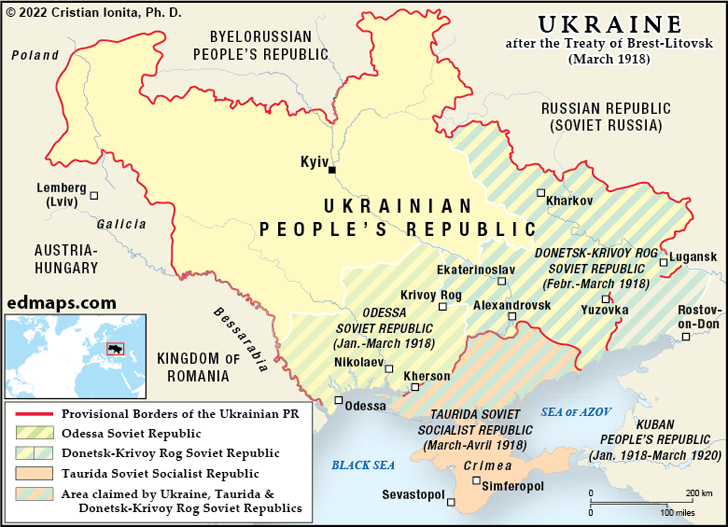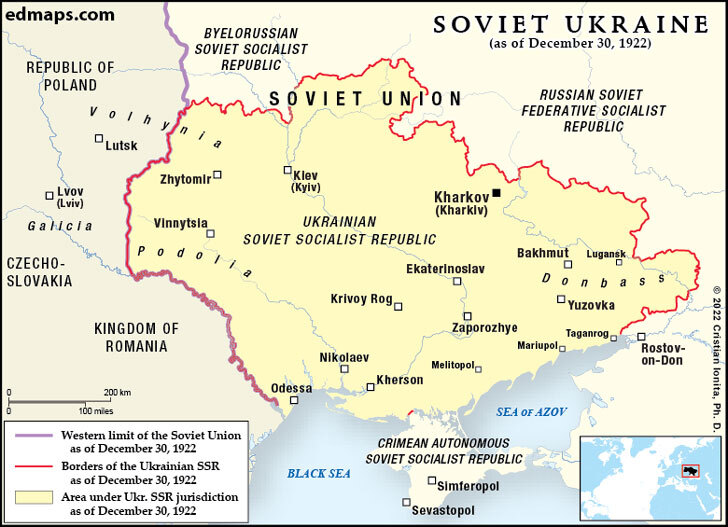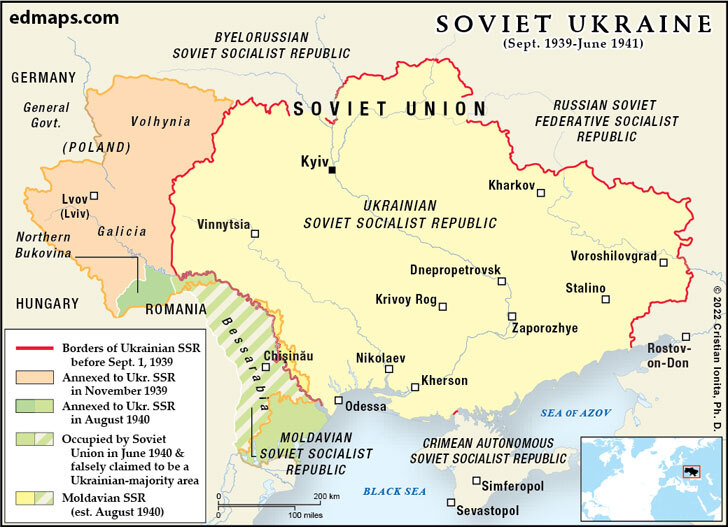
At the beginning of the nineteenth century, Novorossiya—meaning "New Russia"—represented one of the Russian Empire's most ambitious colonial projects. This vast territory, stretching across the northern Black Sea coast from the Dniester River to the Sea of Azov, encompassed the governorates of Yekaterinoslav, Kherson, and Taurida. Conquered from the Ottoman Empire and its Crimean Tatar vassals during the late eighteenth century, particularly through Catherine II's wars of 1768-1774 and 1787-1792, Novorossiya embodied Russian imperial expansion southward and the empire's determination to establish itself as a Black Sea power.
The demographic landscape of early nineteenth-century Novorossiya reflected the calculated settlement policies of Russian imperialism. The region remained sparsely populated, with perhaps 800,000 inhabitants scattered across its vast steppes. The imperial government actively pursued colonization, offering generous land grants, tax exemptions, and religious freedoms to attract settlers. This resulted in an extraordinarily diverse population: Ukrainian peasants fleeing serfdom in the north, Russian Old Believers seeking religious refuge, German Mennonite communities establishing agricultural colonies, Greek merchants revitalizing coastal trade, Jewish traders and artisans, Bulgarian refugees, Serbian military colonists, and remaining Crimean Tatars and Nogai nomads whose presence predated Russian conquest.
This multicultural mosaic served imperial interests while creating profound tensions. Russian authorities promoted Slavic Orthodox settlement to "civilize" the steppe and secure territorial claims, yet simultaneously relied on non-Russian expertise—German agricultural techniques, Greek commercial networks, Armenian entrepreneurship—to develop the region economically. The empire's tolerance was instrumental rather than ideological; diversity was acceptable insofar as it advanced colonization and economic exploitation.
Novorossiya faced formidable challenges in the early 1800s. The region's infrastructure remained primitive, with few roads connecting isolated settlements across the endless grasslands. Agriculture struggled against unreliable rainfall and frequent droughts. The displacement and marginalization of indigenous Tatar populations generated ongoing resentment and occasional resistance. Meanwhile, competition among ethnic communities for land and resources created social frictions that imperial administrators struggled to manage.
The ports of Odessa, founded in 1794, and Sevastopol exemplified Novorossiya's strategic importance to Russian imperialism. These cities became gateways for grain exports to Mediterranean markets and naval bases projecting Russian power southward. Yet this economic potential remained largely unrealized in 1800, awaiting the fuller development that would characterize subsequent decades.
Novorossiya thus stood as a colonial frontier where Russian imperial ambitions, multiethnic realities, and the challenges of transforming conquered steppe into productive provinces intersected, foreshadowing both the region's future prosperity and its enduring complexities.

See also: More stories on the map